

Renting Storage for the First Time? 10 Mistakes That Can Make It Harder Than It Needs to Be
Renting a storage unit for the first time seems straightforward. Find a unit with enough room, pack your belongings, move everything inside, lock the door, and you are finished. At least, that is how the process appears at first. The reality is that the decisions you make before and during move-in can determine how useful your storage unit will be months later. Something as simple as choosing the wrong size or forgetting to label a few boxes can eventually turn a well-intentioned storage project into an afternoon spent moving furniture just to find one missing container.
Fortunately, most first-time storage mistakes are easy to prevent. The key is to think beyond move-in day and consider how you will actually use the space afterward. For people comparing storage options in Brawley, this might mean considering household furniture today while also thinking about camping gear, tools, business supplies, seasonal belongings, or recreational equipment that may require space later. Planning for accessibility as well as capacity gives you a storage unit that remains practical instead of simply becoming a room filled from floor to ceiling.
That approach makes particular sense in the Imperial Valley, where outdoor recreation can come with plenty of equipment. East of Brawley, for example, the Imperial Sand Dunes Recreation Area provides opportunities for off-highway vehicle recreation and exploring one of California's most distinctive dune landscapes. For households with camping supplies, riding equipment, tools, and other bulky recreational belongings, storage can help free up useful space at home. However, the unit needs to be organized well enough that finding those belongings before the next trip does not become an adventure of its own.
Key Points for Readers Short on Time
- Choose a storage unit according to what you need to store and how often you will need to access it, rather than relying on square footage alone.
- Learn the facility's access procedures, rental terms, security features, and prohibited items before move-in day.
- Use sturdy containers, descriptive labels, and a simple inventory so belongings remain easy to identify.
- Keep frequently used belongings near the entrance and leave enough room to move through the unit.
- Clean, dry, disassemble, and properly prepare furniture, appliances, recreational equipment, and other belongings before storing them.
1. Choosing a Unit Size Based on Guesswork
One of the most common mistakes first-time renters make happens before a single box is packed. Storage unit dimensions can be surprisingly difficult to visualize, especially when you are looking at numbers on a website rather than standing inside the space. A 10x10 unit may sound large, while a 5x10 may sound small, but those numbers alone do not tell you how your particular collection of furniture, boxes, equipment, and oddly shaped belongings will fit. As a result, some renters automatically choose the smallest unit they think they can squeeze everything into. Saving space can certainly be worthwhile, but packing a unit too tightly can create another problem. If every inch is occupied, accessing a box near the back may require removing half of the belongings in front of it. Conversely, choosing a much larger unit simply because you are uncertain about sizing can mean paying for floor space that remains empty.
A better approach is to start with the belongings themselves. Make a rough inventory of large pieces such as sofas, mattresses, dressers, dining tables, appliances, shelving, tools, and recreational equipment. Then estimate how many boxes or containers will accompany them. Importantly, consider how those pieces can be stacked or disassembled and how much room you want to leave for movement. It also helps to think about how often you expect to visit the unit. If most belongings will remain untouched until the end of the rental, a more compact arrangement may work perfectly well. However, if you expect to retrieve tools, inventory, documents, camping supplies, or seasonal items regularly, additional room for a walkway can be valuable. If storage dimensions still feel abstract, our storage unit size guide for Brawley, CA offers additional context for comparing common unit sizes. Taking a little extra time to visualize your belongings inside the space can help prevent the frustrating realization that the unit is either too crowded or unnecessarily large.
2. Looking Only at the Monthly Rental Price
Naturally, price matters when renting storage. Still, the lowest monthly rate does not automatically represent the best fit for your needs. First-time renters sometimes focus so closely on the advertised cost that they overlook details that have a much greater effect on their day-to-day experience. For example, consider how you will move belongings into the unit. If you are storing heavy furniture, appliances, tools, or multiple boxes, convenient vehicle access can make a meaningful difference. Similarly, access hours matter if your schedule means you are likely to visit the facility outside traditional business hours. Payment options, rental terms, gate procedures, and security features are also worth understanding before you sign an agreement.
Additionally, make sure you know whether there are restrictions on what can be stored. Storage facilities commonly prohibit hazardous materials, flammable substances, illegal items, perishables, and other belongings that could create safety or sanitation problems. Discovering that one of your items cannot enter the facility while you are unloading the moving vehicle is far less convenient than checking beforehand. In other words, compare the complete storage experience rather than one number. A unit that works with your schedule, belongings, and expected frequency of access is likely to feel considerably more practical over the course of the rental.
3. Packing First and Planning the Unit Later
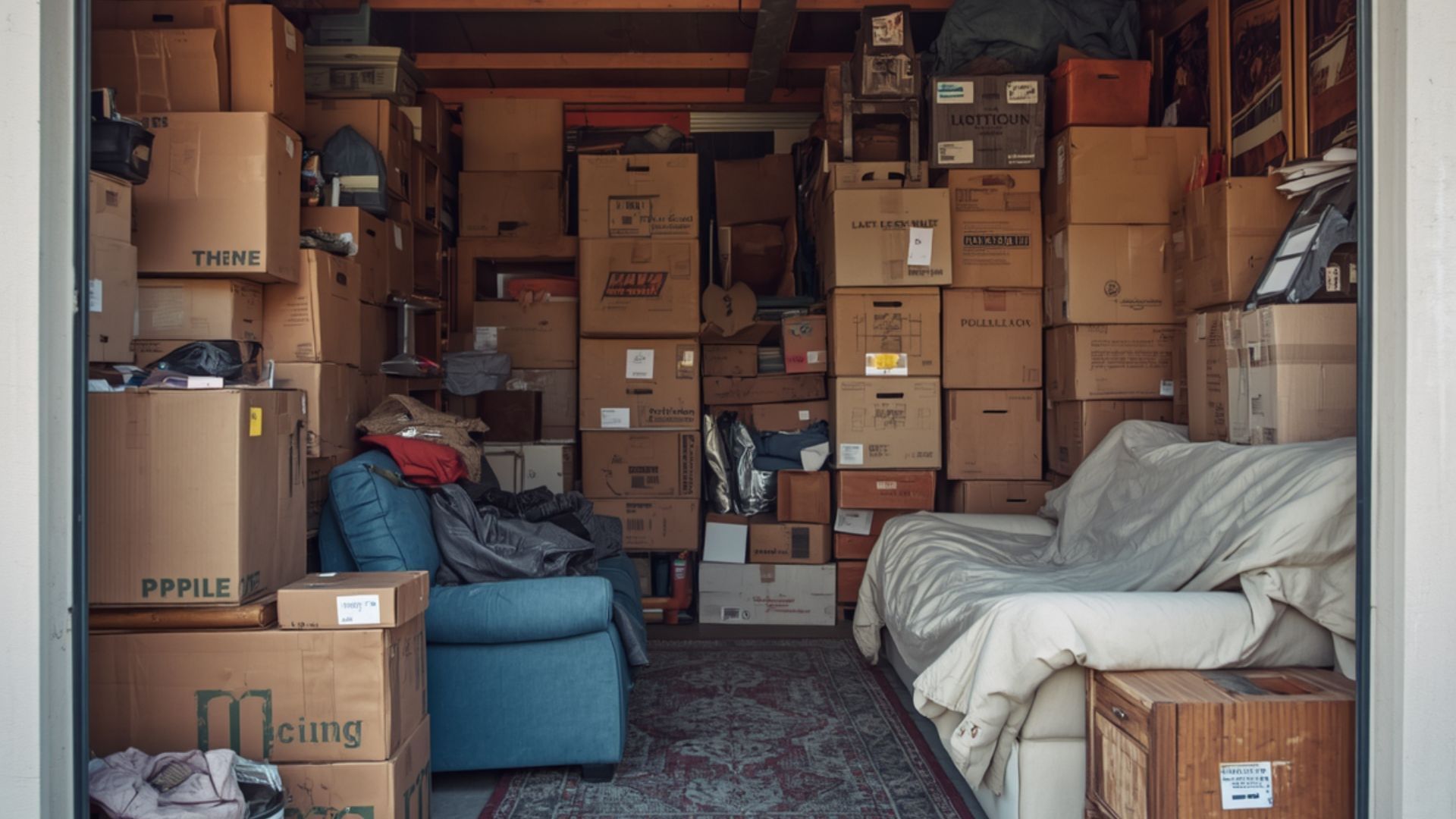
After packing an entire home, garage, office, or spare room, it is understandable to reach the storage facility and simply want everything out of the vehicle. Unfortunately, unloading without a plan is one of those shortcuts that can create much more work later. The first few items usually go in neatly. Then more boxes arrive, followed by furniture, awkward equipment, loose bags, and miscellaneous items that did not fit anywhere else. Eventually, the unit fills from the back toward the door with little thought given to what is buried underneath or behind everything else. Months later, the one box you need inevitably seems to be sitting in the least accessible corner.
Instead, decide on a rough layout before unloading. You do not need graph paper or exact measurements for every box. A basic plan is enough. Long-term belongings can go toward the back. Frequently used items should remain closer to the entrance. Furniture can occupy one side, while boxes or stackable containers use another. Recreational equipment, business materials, tools, or seasonal belongings can each have a recognizable area. The loading order should support that layout as well. If a large bookcase belongs against the back wall, for example, it should enter the unit before the twenty boxes that will eventually sit in front of it. Likewise, stable furniture and heavier containers should generally be positioned before lightweight or fragile belongings. By thinking about the final arrangement before unloading begins, you can avoid repeatedly moving the same pieces. More importantly, the storage unit starts with a structure that will be much easier to maintain.
4. Trusting Old or Damaged Boxes to Do the Job
Reusing boxes can be economical, and there is nothing inherently wrong with giving a sturdy cardboard box another use. The problem begins when a container has already been crushed, torn, weakened, or exposed to moisture. A box can look perfectly acceptable while sitting by itself and then buckle once several other containers are stacked on top of it. Therefore, inspect boxes before packing them. Pay particular attention to bottoms, corners, handles, seams, and lids. Containers holding heavier belongings need to be especially strong because a failure at the bottom can damage the contents and destabilize the stack around them.
Box size matters, too. It can be tempting to fill the largest box available with books, dishes, tools, or other dense belongings, but that creates a container that is difficult to lift and more likely to fail. Smaller boxes are generally better for heavy items, while larger containers can be reserved for lightweight belongings such as bedding, pillows, clothing, or lampshades. Consistency can also make the unit easier to organize. Boxes of similar dimensions stack more efficiently than a random collection of containers with dramatically different shapes. Clear plastic bins may be useful for frequently accessed categories because some contents remain visible, although labels are still worthwhile. Ultimately, the container is part of the storage system. Spending a little more time choosing appropriate boxes can make stacking safer, organization easier, and retrieval considerably less frustrating.
5. Labeling Boxes So Vaguely That the Labels Become Useless
When you are packing, writing "Kitchen" on a box feels completely logical. You know exactly what you just put inside it. Six months later, however, you may have five boxes labeled "Kitchen," and suddenly the label does not tell you much at all. This is where more descriptive labeling pays off. Instead of "Kitchen," consider something like "Baking pans, mixing bowls, and utensils." Rather than "Garage," a label such as "Hand tools, extension cords, and hardware" immediately tells you more about what is inside. The goal is not to list every individual object. You simply want enough detail that you can identify the correct container without opening several others first. It is also helpful to label more than one side of each box. A perfectly detailed label on the top becomes useless once another container is stacked over it. Marking at least two visible sides increases the chance that you can identify a box without moving anything.
For larger units, consider numbering your boxes and keeping a basic inventory on your phone. Box 12 might contain camping cookware and lanterns, while Box 18 holds holiday decorations. Later, you can search your list before visiting the unit and know exactly which container you are looking for. There are several other ways to make the space easier to navigate, and these storage tips for maximizing your storage experience offer additional ideas for organizing, labeling, stacking, and making better use of available room.
6. Storing Furniture Exactly as It Came Out of the House
Furniture is often among the largest and most valuable belongings placed into storage, yet it is also one of the categories people are most likely to rush through. A sofa gets carried in, a table follows, and a dresser is pushed against the nearest open wall. While that may be quick, a few preparation steps can help furniture fit more efficiently and remain easier to handle. Start by cleaning furniture before moving it into storage. Vacuum upholstered pieces, wipe down hard surfaces, empty drawers, and make sure everything is dry before it is covered or packed. Dirt and residue are much easier to deal with at home than after a piece has been sitting in storage for months.
Next, consider disassembling furniture when doing so is practical and consistent with the manufacturer's instructions. Removing legs from tables, taking apart bed frames, or separating modular shelving can turn large, awkward objects into pieces that are easier to position. It may also free up valuable space around them. Of course, taking furniture apart introduces another first-time storage trap: losing the hardware. Screws, brackets, bolts, and other small components should go into clearly labeled bags. Keep those bags with the corresponding furniture or in a designated hardware container that you can easily locate later.
Protective furniture covers or moving blankets can help guard surfaces from dust and scratches. However, protection should not become an excuse to create unstable stacks. Putting a heavy piece on top of furniture that was not designed to bear weight can damage both items. The objective is to store furniture in a way that respects both the item and the space around it. A few minutes of preparation can make a surprisingly large difference when the time comes to retrieve and reassemble everything.
7. Using Every Square Inch and Leaving Yourself No Way In
There is a strange satisfaction in seeing a storage unit packed perfectly from one wall to the other. It can feel as though you have solved a giant three-dimensional puzzle. Unfortunately, that feeling usually disappears the first time you need something from the back. A completely packed floor may maximize capacity, but it dramatically reduces accessibility. If you expect to enter the unit during your rental, leaving a narrow walkway is often worth sacrificing a small amount of storage density. Ideally, that path should give you access to several sections rather than ending immediately behind the first row of boxes.
At the same time, do not forget about vertical space. Stable shelving or carefully stacked containers can make use of height while keeping more of the floor accessible. Place heavy containers at the bottom and lighter ones above them. Avoid stacks that lean, shift, or require you to balance awkwardly to retrieve something. Also consider where you leave empty spaces. A small amount of deliberate breathing room around frequently accessed categories can be much more valuable than random gaps scattered throughout the unit. Essentially, efficient storage does not mean occupying every possible inch. It means using the available space in a way that keeps your belongings organized, stable, and reasonably accessible. Sometimes leaving a little space empty makes the rest of the unit far more useful.
8. Putting Frequently Used Items Wherever They Happen to Fit
Once the unit starts filling up, it is easy to switch from organizing to simply finding a place for everything. That is often how frequently needed belongings end up behind a dining table, beneath six boxes, or in the farthest corner. Instead, think in terms of access frequency. Ask yourself which belongings you are unlikely to touch for months and which ones you might want next weekend. Holiday decorations, archived paperwork, or furniture awaiting a future move may be fine toward the back. Tools, business supplies, sports equipment, camping gear, and other regularly used items deserve easier access.
This can be particularly useful for people in and around Brawley who enjoy outdoor activities throughout Imperial County. The Imperial Sand Dunes, for instance, are well known for off-highway vehicle recreation, while the Sonny Bono Salton Sea National Wildlife Refuge provides opportunities that include hiking, wildlife viewing, photography, and exploring the refuge's trails and observation areas. Those activities can involve a surprising amount of equipment. Camping supplies, folding chairs, helmets, riding equipment, binoculars, photography gear, coolers, outdoor clothing, and tools can quickly consume garage or closet space. If those belongings are stored, keeping them together in a designated recreation area can make preparing for an outing much simpler.
The same principle applies beyond outdoor gear. Business owners might group frequently needed inventory or supplies together. Families might designate an area for seasonal decorations. Someone renovating a home might keep tools and project materials near the entrance. Whatever the category, storage becomes easier when the location of an item reflects how often you expect to use it.
9. Storing Things Before Cleaning and Preparing Them
By the time moving day arrives, cleaning every object before it enters storage may feel unnecessarily tedious. Still, storing belongings in the condition they happened to be in when you last used them can create unpleasant surprises later. For that reason, clean and thoroughly dry belongings before packing them. Clothing and linens should be clean before going into containers. Appliances should be emptied and prepared according to their manufacturer's recommendations. Tools and outdoor equipment should be cleaned of dirt and debris. Camping equipment should be dry before being packed away.
Recreational gear deserves particular attention. After a weekend outdoors, the easiest solution may seem to be putting everything directly into storage and dealing with it next time. However, that simply transfers today's cleanup to your future self. When the next trip arrives, you will be opening containers filled with equipment that still needs attention. Instead, create a simple return routine. Unpack what needs cleaning, inspect equipment for damage, allow appropriate items to dry, and organize everything before it goes back into storage. That way, the next time you retrieve the equipment, it is closer to being ready for use.
This habit also gives you a chance to notice missing or damaged items while the previous outing is still fresh in your mind. Rather than discovering a problem months later, you can address it before the equipment disappears into a box. Storage is much more useful when belongings enter the unit ready for their next use rather than carrying unfinished chores with them.
10. Locking the Door and Forgetting About the Unit Completely
Once the moving process is over, there can be a strong temptation to treat the storage unit as a place that no longer requires attention. In reality, occasional visits can help keep the space organized, especially during a longer rental. Your storage needs are likely to change. An item that seemed unimportant when you moved in may suddenly become something you need every month. You might bring additional belongings into the unit, remove furniture, rotate seasonal items, or realize that several half-empty boxes can be consolidated. If you never reassess the layout, those gradual changes can slowly undo the organization you created at the beginning.
Periodic visits allow you to make small corrections. Straighten boxes that have shifted, update labels, reorganize frequently used belongings, and remove anything you no longer need to store. These minor adjustments are considerably easier than waiting until the unit becomes difficult to navigate. Keeping an inventory is useful here as well. When belongings remain out of sight for long periods, people can forget exactly what they own. That can lead to buying duplicate household items or searching at home for something that has been sitting in storage all along. Think of the unit as an extension of your available space rather than a place where belongings disappear. You do not need to reorganize it every week. You simply want to maintain enough awareness of what is inside that the space continues serving its purpose.
A Few Extra Habits Can Make Storage Much Easier
Avoiding the ten mistakes above provides a strong foundation, but a few additional habits can make the experience smoother. For example, take photos of the unit once everything is arranged. A quick photo can help you remember where larger items are located without relying entirely on memory. Similarly, keep important rental information somewhere easy to find. Knowing the facility's access procedures and keeping your inventory in one place prevents you from having to search through old emails or paperwork every time you need something.
As you add belongings later, try to maintain the organization you established on move-in day. One unlabeled box placed in the nearest available gap may not cause much trouble. After several months, though, a series of those small shortcuts can turn an organized unit back into a puzzle. Most importantly, remember that good storage organization does not have to look perfect. Your unit is not a showroom. It simply needs to work for you. If you can safely enter, locate what you need, remove it without dismantling everything else, and return belongings to a logical place afterward, your organization system is doing its job.
Making Your First Storage Rental Work for the Long Term
Most first-time storage mistakes are not dramatic. Usually, they begin as small shortcuts. A box does not get labeled because you are certain you will remember what is inside. A table remains assembled because taking the legs off feels like extra work. Frequently used equipment gets pushed into the back because that happens to be where there is space. None of those choices seems particularly important in the moment. Over time, however, those decisions add up. A storage unit that began as a convenient source of extra room can gradually become difficult to navigate. Fortunately, the opposite is also true. Small, thoughtful decisions made at the beginning can continue saving time throughout the rental.
Start by choosing a unit that fits your belongings and the way you expect to use them. Then create a simple layout, use dependable containers, label things clearly, prepare furniture and equipment before storing them, and preserve enough room to reach what you need. As your storage needs change, make small adjustments instead of allowing clutter to accumulate. For residents considering
storage options in Brawley from Brawley Self Storage, these habits can help turn a first storage rental into a space that remains practical well after move-in day. When boxes have recognizable places, recreational equipment stays together, furniture is properly prepared, and frequently needed belongings remain accessible, the unit becomes easier to manage without requiring an elaborate organization system.