

Think You're Using Your Storage Unit Well? 10 Smart Storage Tips That Make Every Square Foot Count
Renting a storage unit gives you the extra room your home, garage, or business may be missing. However, simply placing your belongings inside and locking the door is rarely the best way to take advantage of that space. The difference between a cluttered storage unit and one that truly works for you often comes down to preparation, organization, and a few smart habits that make accessing your belongings much easier over time. Fortunately, maximizing your storage experience doesn't require expensive equipment or professional organizers. Instead, it involves making thoughtful decisions before move-in day and maintaining a system that allows you to find what you need quickly while keeping your belongings protected.
If you're exploring storage options in Brawley, investing a little extra time at the beginning can save countless hours later. A well-organized storage unit protects your furniture, keeps fragile items safer, allows you to use every available square foot efficiently, and reduces the stress that often comes with digging through stacks of boxes months after you've stored them. Living in Brawley also means having access to some of Southern California's most unique recreational opportunities. Residents frequently spend weekends enjoying nearby destinations such as the Imperial Sand Dunes Recreation Area, boating on regional waterways, or exploring local parks and public lands throughout Imperial County. Equipment for these adventures often takes up valuable garage space, making self-storage an excellent way to stay organized while keeping seasonal gear ready for your next outing. The Bureau of Land Management offers additional information about recreation throughout the Imperial Sand Dunes area.
Key Points for Readers Short on Time
- Plan the layout of your storage unit before moving anything inside.
- Use strong, consistently sized boxes that stack safely and maximize space.
- Leave a walkway so you can easily reach items throughout the year.
- Store frequently used belongings near the front and long-term items in the back.
- Review and reorganize your storage unit periodically to keep it efficient.
Good Storage Starts Long Before You Lock the Door
Many people think the hard part is moving everything into the storage unit. In reality, the decisions made before loading the first box often determine whether the space remains organized six months later or becomes frustrating to navigate after only a few visits. Rather than viewing your storage unit as temporary overflow space, think of it as an extension of your home. Just as you wouldn't randomly pile everything into your kitchen or bedroom, your storage unit benefits from having designated areas, logical organization, and enough room to move around comfortably. By approaching storage with a simple strategy instead of improvising, you'll save yourself considerable time and effort later. The following tips can help you make the most of your storage unit from the very beginning.
1. Plan the Layout Before You Start Loading
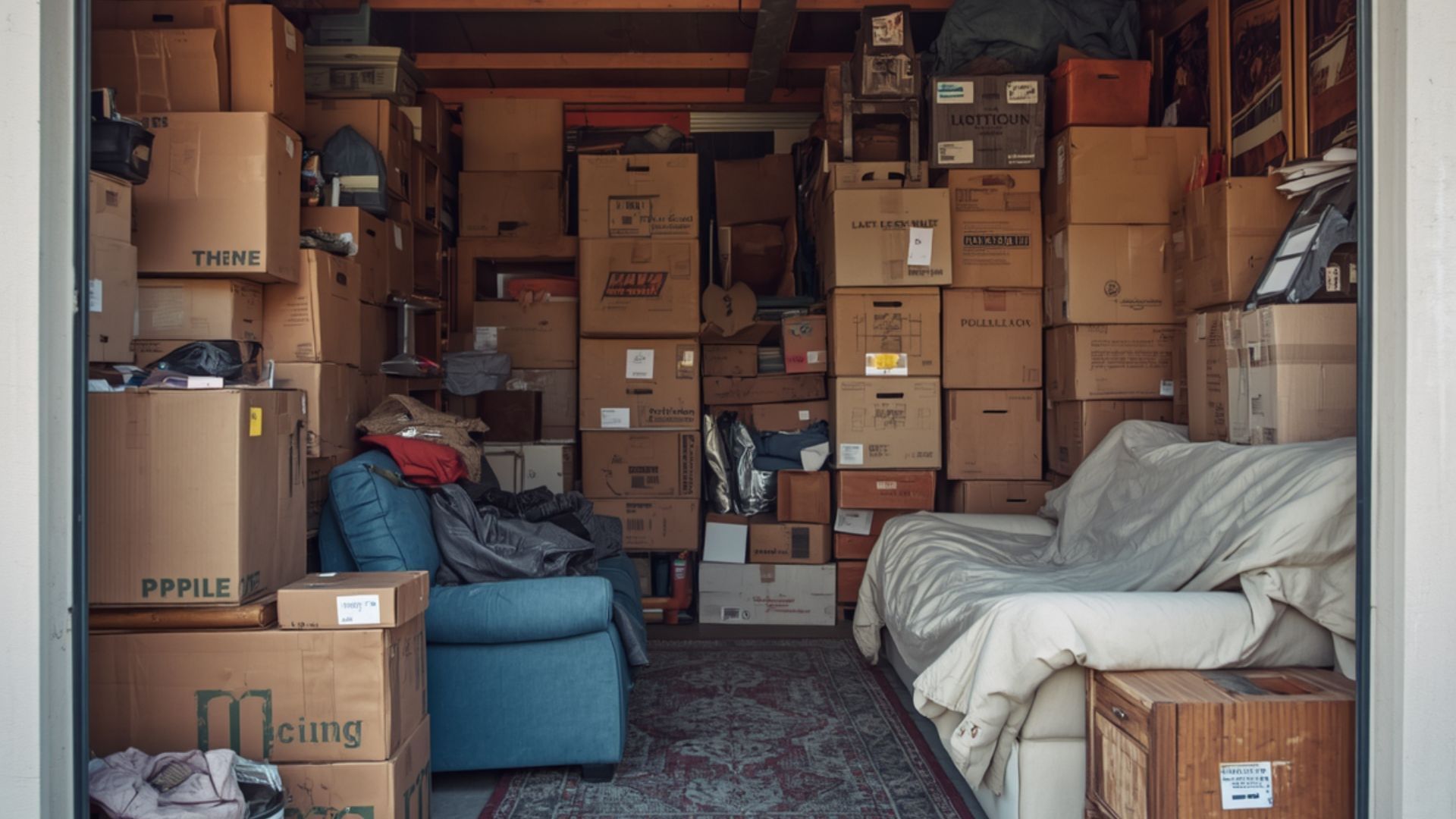
One of the most common mistakes happens before the first piece of furniture even crosses the threshold. After a long day of moving, it's tempting to place everything wherever it fits. Unfortunately, this often leads to heavy furniture blocking important boxes or seasonal items becoming buried beneath belongings you won't touch for years. Instead, spend a few minutes creating a rough floor plan. Decide which items you'll likely need throughout the year and reserve space near the front for them. Larger furniture pieces generally fit best along the perimeter walls, while sturdy boxes can occupy the middle of the unit. This small amount of planning pays dividends every time you return. Instead of unloading half the unit to retrieve one container, you'll already know exactly where everything belongs.
2. Invest in Better Boxes Instead of Reusing Old Ones
Although it may seem economical to reuse every cardboard box you can find, older boxes often lose much of their structural strength after one or two moves. Torn corners, weakened bottoms, and soft cardboard increase the chances of collapsed stacks and damaged belongings. Using quality moving boxes of similar sizes creates a much more stable storage system. Uniform boxes stack neatly, distribute weight more evenly, and allow you to use vertical space far more efficiently. It also helps to think carefully about weight distribution. Heavy books should stay inside smaller boxes, while lightweight bedding, clothing, or pillows belong in larger containers. This prevents boxes from becoming too heavy to lift safely while reducing stress on the boxes beneath them.
3. Label Everything With Future You in Mind
Everyone remembers where they packed their holiday decorations immediately after moving. Six months later, however, nearly every cardboard box starts looking exactly the same. Rather than writing simple labels like "Bedroom" or "Garage," include detailed descriptions that you'll actually understand later. Labels such as "Christmas Lights," "Camping Kitchen Supplies," "Guest Bedroom Linens," or "2026 Tax Documents" make locating specific belongings significantly easier. Many people also create a numbered inventory using a spreadsheet or notes app on their phone. If Box 17 contains winter clothing while Box 24 contains family photo albums, you'll never have to open multiple containers searching for one item again.
4. Always Leave Yourself a Walkway
At first glance, filling every available inch of floor space may seem like the most efficient use of your storage unit. However, maximizing space doesn't necessarily mean eliminating accessibility. Leaving a narrow aisle from the entrance to the back of the unit allows you to reach boxes without dismantling carefully stacked piles every time you visit. This simple walkway becomes especially valuable if you plan to rotate seasonal decorations, retrieve business inventory, or access family keepsakes throughout the year. Although giving up a small amount of floor space may feel counterproductive initially, it almost always saves time and frustration over the life of your rental.
5. Think Up Instead of Out
One of the easiest ways to maximize storage capacity is by making better use of the height of your storage unit. Many renters fill the floor before realizing they still have several feet of unused vertical space above them. By stacking sturdy boxes carefully and evenly, you can often fit substantially more belongings without upgrading to a larger unit. Of course, stacking should always follow common sense. Heavy boxes belong at the bottom, lighter containers should remain on top, and fragile belongings should never support significant weight. If you regularly visit your storage unit, lightweight shelving can also create additional organization while keeping frequently used belongings within easy reach. If you're uncertain which unit size best fits your belongings before you begin organizing, this helpful Storage Unit Size Guide for Brawley, CA provides practical examples that make choosing the right amount of space much easier.
6. Protect Furniture Before It Goes Into Storage
Furniture often represents both the largest investment and the largest objects inside a storage unit. Fortunately, a little preparation goes a long way toward preserving its condition. Begin by thoroughly cleaning every surface. Dust, food residue, and everyday grime can become much harder to remove after sitting for months. Wooden furniture should be completely dry before storage, while upholstered pieces benefit from a thorough vacuuming. Next, use furniture blankets or breathable covers rather than plastic wrap for long-term protection. Breathable materials help reduce trapped moisture while minimizing scratches during loading and unloading. Whenever possible, disassemble larger pieces such as dining tables, bed frames, and shelving units. Store bolts and hardware inside labeled plastic bags attached securely to the furniture itself. This simple step saves considerable frustration when it's time to reassemble everything later.
7. Store Frequently Used Items Where You Can Actually Reach Them
Not every belonging deserves equal placement inside your storage unit. Holiday decorations, camping supplies, business records, sports equipment, and seasonal clothing are often accessed multiple times throughout the year. These items should remain close to the entrance, where retrieving them takes only a few minutes. Meanwhile, family heirlooms, archived documents, spare furniture, or keepsakes intended for long-term storage can safely remain toward the back of the unit. This approach creates a storage system that evolves with your lifestyle rather than forcing you to reorganize the entire space every time the seasons change.
8. Divide Your Unit Into Organized Zones
As your storage unit fills, it becomes increasingly helpful to think of the space as several smaller rooms instead of one large area. For example, one section might hold household furniture, another could contain recreational equipment, another may store holiday decorations, while another houses business inventory or archived paperwork. Grouping similar items makes locating them much faster and helps everyone in your household understand where things belong. This strategy works particularly well for residents who enjoy outdoor recreation around Imperial County. Boating equipment, camping gear, off-road accessories, and seasonal recreation supplies often require different storage schedules throughout the year. If you're storing larger recreational vehicles alongside your equipment, you'll also find useful planning advice in Boat and RV Storage in Brawley: What to Check Before You Park, which covers several important preparation steps before placing your vehicle into storage.
9. Give Important Documents Their Own Protected Space
Paper documents deserve a little more attention than everyday household belongings. Birth certificates, insurance paperwork, passports, tax records, legal documents, and family photographs should ideally remain inside waterproof containers that are clearly labeled and easy to access. Many people also choose to scan irreplaceable documents and maintain secure digital backups. While physical copies remain important, having electronic versions provides an additional layer of protection and convenience if information is needed unexpectedly. Keeping these documents together rather than scattered throughout multiple boxes also saves considerable time whenever paperwork is required.
10. Revisit Your Storage Unit Every Few Months
One of the best storage tips has nothing to do with moving day. Instead of locking your storage unit and forgetting about it, make a habit of checking your organization every few months. As your needs change throughout the year, you may discover opportunities to consolidate partially filled boxes, donate items you no longer use, or rearrange seasonal belongings so they're easier to reach. These occasional visits also remind you what you actually have in storage. It's surprisingly common for people to purchase duplicate items simply because they forgot something was already sitting inside a box. Regular maintenance keeps your storage unit working for you instead of gradually becoming another cluttered space that feels overwhelming to manage.
Small Habits Create a Better Storage Experience
Making the most of a storage unit isn't about fitting as many boxes inside as possible. Instead, it's about creating a space that remains organized, accessible, and easy to navigate long after moving day is over. Every decision, from labeling boxes clearly to leaving yourself a walkway, contributes to a storage experience that saves time, protects valuable belongings, and makes future visits far more convenient. As your storage needs evolve, your unit should evolve with them. A little maintenance throughout the year helps preserve the organization you've already created while making room for new belongings as life changes.
For anyone considering storage options in Brawley, thoughtful organization from the very beginning allows every square foot to work harder. Combined with smart packing, careful planning, and regular organization, these simple strategies can help transform an ordinary storage unit into a practical extension of your home that remains useful for years to come.