

Less Space, Less Clutter: A Practical Guide to Downsizing Your Home
Downsizing your home means deciding what deserves space in your next place and what no longer fits your needs. The process can feel overwhelming when you're sorting through years of furniture, household supplies, and belongings you've accumulated without realizing how much room they occupy. But with a clear plan, you can make those decisions before moving day instead of rushing through them while packing.
For homeowners and renters in Brawley, California, downsizing doesn't have to mean getting rid of everything that won't fit immediately. Some belongings are worth keeping, even if your new home doesn't have room for them. Our storage options in Brawley provide additional space for furniture and household items while you work through the transition.
Start With the Space You're Moving Into
Before sorting through your belongings, get familiar with the layout of your new home. Knowing the dimensions of each room will help you determine which furniture pieces fit and where you'll need to make adjustments. A smaller home might have fewer closets, a narrower living room, or no dedicated space for items currently kept in a spare bedroom. Measure your larger furniture pieces and compare those dimensions with the available floor space. Remember to account for doorways, walking paths, and enough clearance to open drawers or cabinets. A dining table might technically fit in a smaller room but leave little space to move around it once the chairs are in place.
It also helps to consider how you'll use each room. If your new home doesn't have a separate office, you might need a smaller desk that fits into your bedroom. Making these decisions before packing prevents you from transporting furniture that you'll eventually have to sell or store.
How to Downsize Your Home One Room at a Time
Trying to organize an entire house at once makes it difficult to track your progress. Instead, work through individual rooms, starting with spaces that contain belongings you rarely use. Storage closets, guest bedrooms, and garages are good places to begin because their contents usually aren't essential to your daily routine.
As you sort, separate your belongings into four categories:
- Keep: Items you'll use regularly and have room for in your new home.
- Sell or donate: Furniture, clothing, and household goods that are still usable but no longer needed.
- Store: Belongings you want to keep but don't currently have space for.
- Discard or recycle: Broken, damaged, or unusable items that cannot reasonably be repaired or donated.
Avoid packing anything before deciding which category it belongs in. Otherwise, you'll end up moving boxes of unnecessary belongings and repeating the same sorting process after you've settled into your new home.
Begin With Closets and Storage Areas
Closets tend to accumulate belongings that are easy to forget about. Take everything out of one section at a time so you can see what you actually own. Clothing that no longer fits, duplicate household supplies, and unused accessories are good candidates for removal.
For clothing, consider what you wear throughout the year rather than keeping every item because it might become useful someday. Set aside seasonal pieces that you still use, but check whether your new closet has enough room to accommodate them. Vacuum storage bags may save space for suitable fabrics, though delicate garments need different care.
Review Your Kitchen and Bathroom Supplies
Kitchens often contain more duplicates than homeowners realize. Extra dishes, unused appliances, and mismatched containers can occupy entire cabinets. Decide which items you use regularly and whether your new kitchen has enough counter and cabinet space for everything.
Bathrooms deserve the same attention. Check expiration dates on personal care products and medications, then dispose of expired items according to local guidance. Keep everyday essentials accessible during the move rather than packing them with belongings you won't need immediately.
Decide Which Furniture Is Worth Keeping
Furniture is one of the biggest challenges when downsizing because large pieces determine how much usable space remains in each room. A sectional sofa that works in your current living room might overwhelm a smaller apartment, while a large dresser could prevent you from arranging your bedroom comfortably. Focus on pieces that serve a practical purpose and fit the dimensions of your new home. Furniture with built-in storage, such as beds with drawers or benches with compartments, can be useful when closet space is limited. But don't replace everything automatically. Keeping furniture you already own is often more economical than buying new pieces.
If you're uncertain about a particular item, consider its replacement cost and how likely you are to use it again. A quality dining set might be worth storing during a temporary move, while inexpensive furniture that doesn't fit your new layout may be easier to sell or donate.
What About Large Appliances?
Downsizing sometimes means moving into a property that already includes a refrigerator, washer, or dryer. If you own appliances that are still in good condition, you may prefer to keep them rather than sell them immediately, especially if you expect to move again.
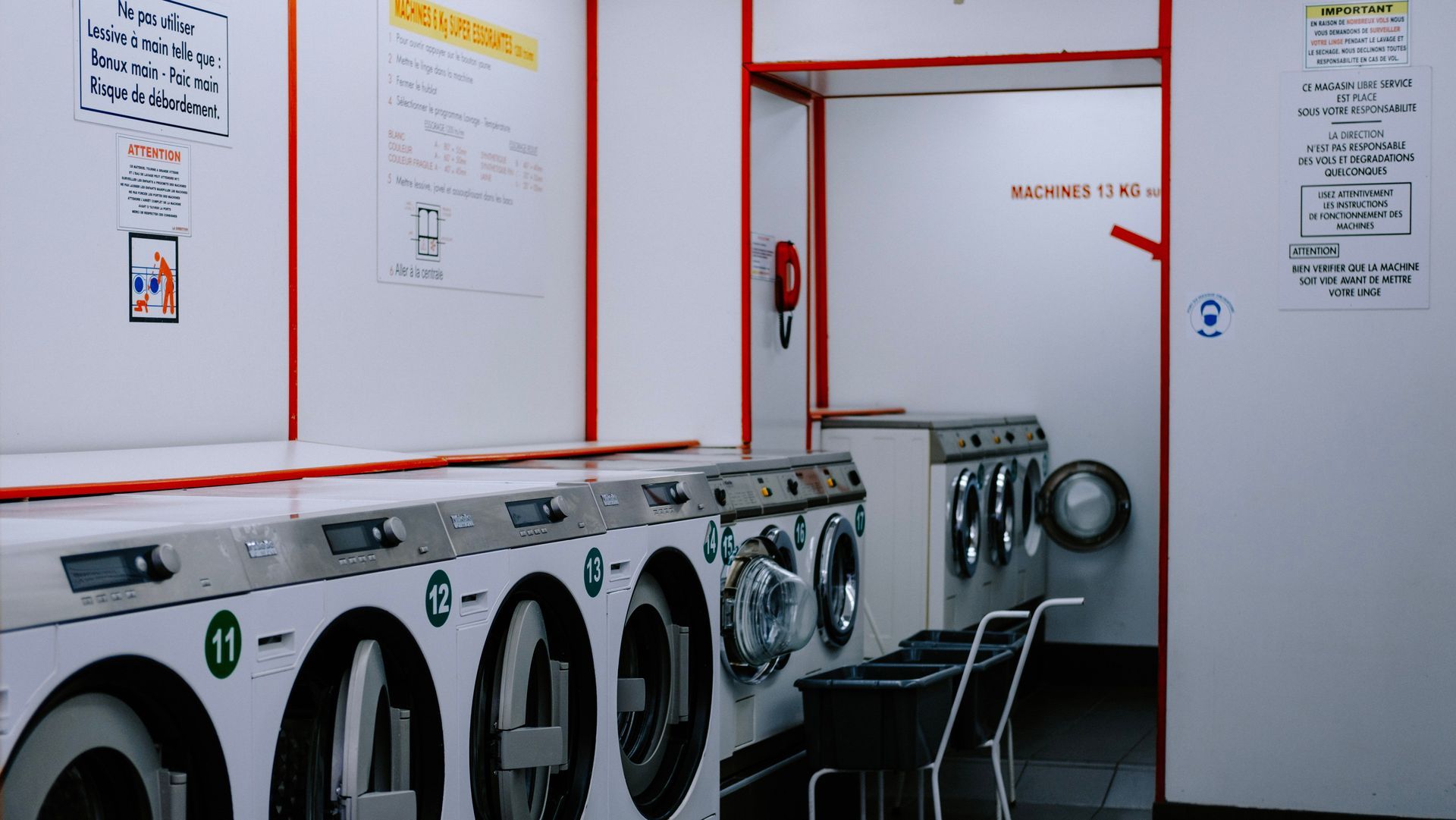
Appliances need proper preparation before storage. Washing machines, for example, should be drained and transported according to the manufacturer's instructions to avoid damage to their internal components. Our guide on preparing a washing machine for storage explains how to disconnect, protect, and position the appliance when it won't be used for a while.
Be Selective With Sentimental Belongings
Sentimental items are often the hardest part of downsizing. Family photographs, inherited furniture, and childhood keepsakes may have little practical use but still carry personal significance. The goal isn't to eliminate these belongings. It's to decide which ones you genuinely want to preserve. Start by separating items you want to display from those you prefer to keep safely packed away. Photographs and important documents can be organized into labeled folders or archival-quality containers. For large collections of paper records, digitizing selected documents can reduce physical clutter, though original legal and identity documents should be retained when required.
Inherited furniture deserves a separate decision. If a piece has sentimental value but doesn't fit your new home, consider whether you have a realistic plan to use it in the future. Long-term storage makes more sense when you know why you're keeping something rather than postponing every difficult decision indefinitely.
Sell or Donate Items Before Moving Day
Once you've identified what won't be coming with you, give yourself enough time to find those belongings a new home. Selling furniture and household goods can offset some moving expenses, but larger pieces may take longer to sell than expected. Take clear photographs, measure furniture accurately, and describe its condition when creating listings. If you're selling something bulky, decide whether buyers will need to arrange transportation. Avoid leaving these arrangements until the final days before your move.
Donating usable belongings is another option, particularly for items that have limited resale value. Check each organization's acceptance requirements before dropping anything off. Some donation centers won't accept certain upholstered furniture, mattresses, or large appliances. For Brawley residents, planning these drop-offs before moving day also keeps unnecessary items out of the moving truck. Once your donation and sale items are gone, you'll have a more accurate picture of how much you actually need to pack.
Use Storage for Belongings That Won't Fit
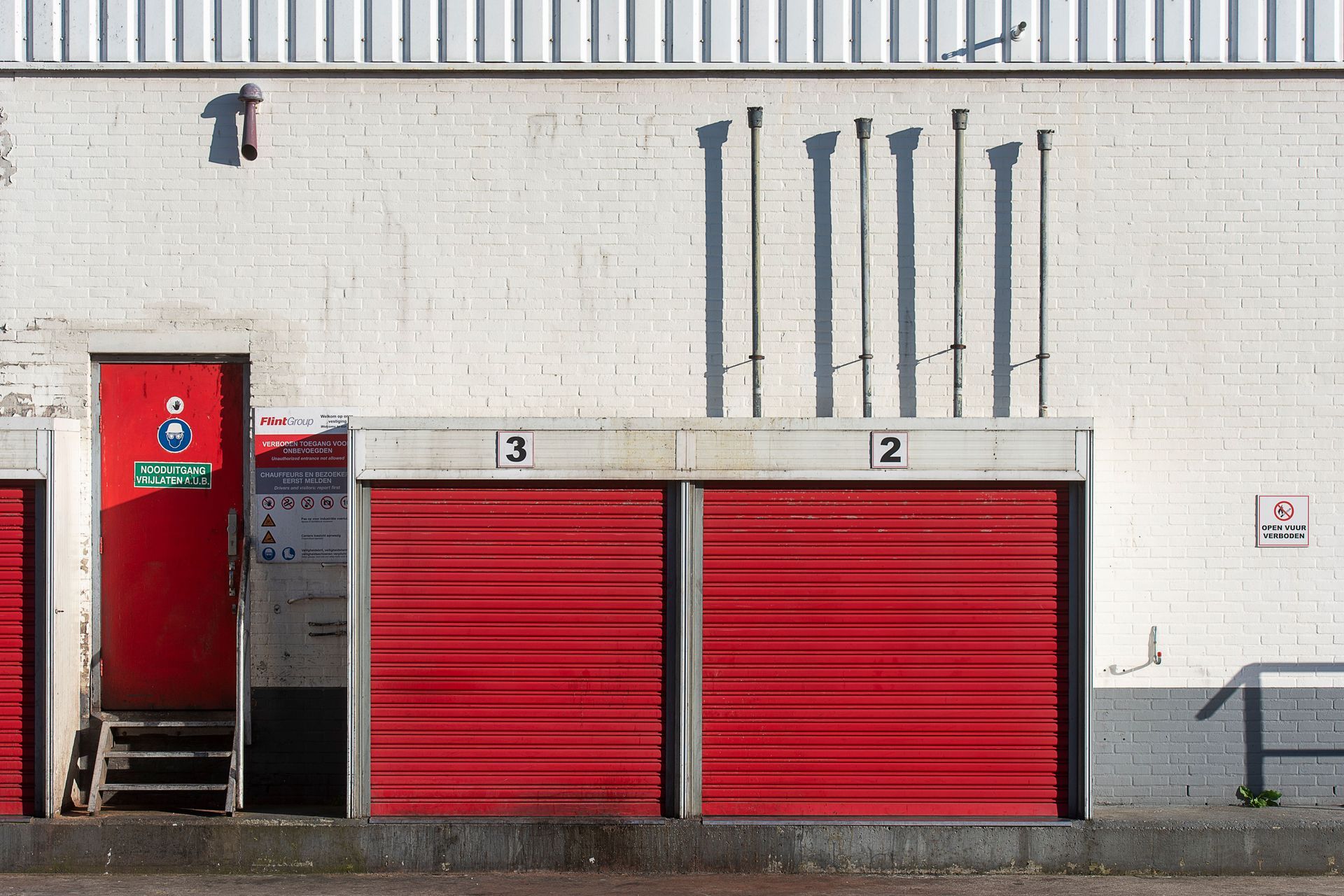
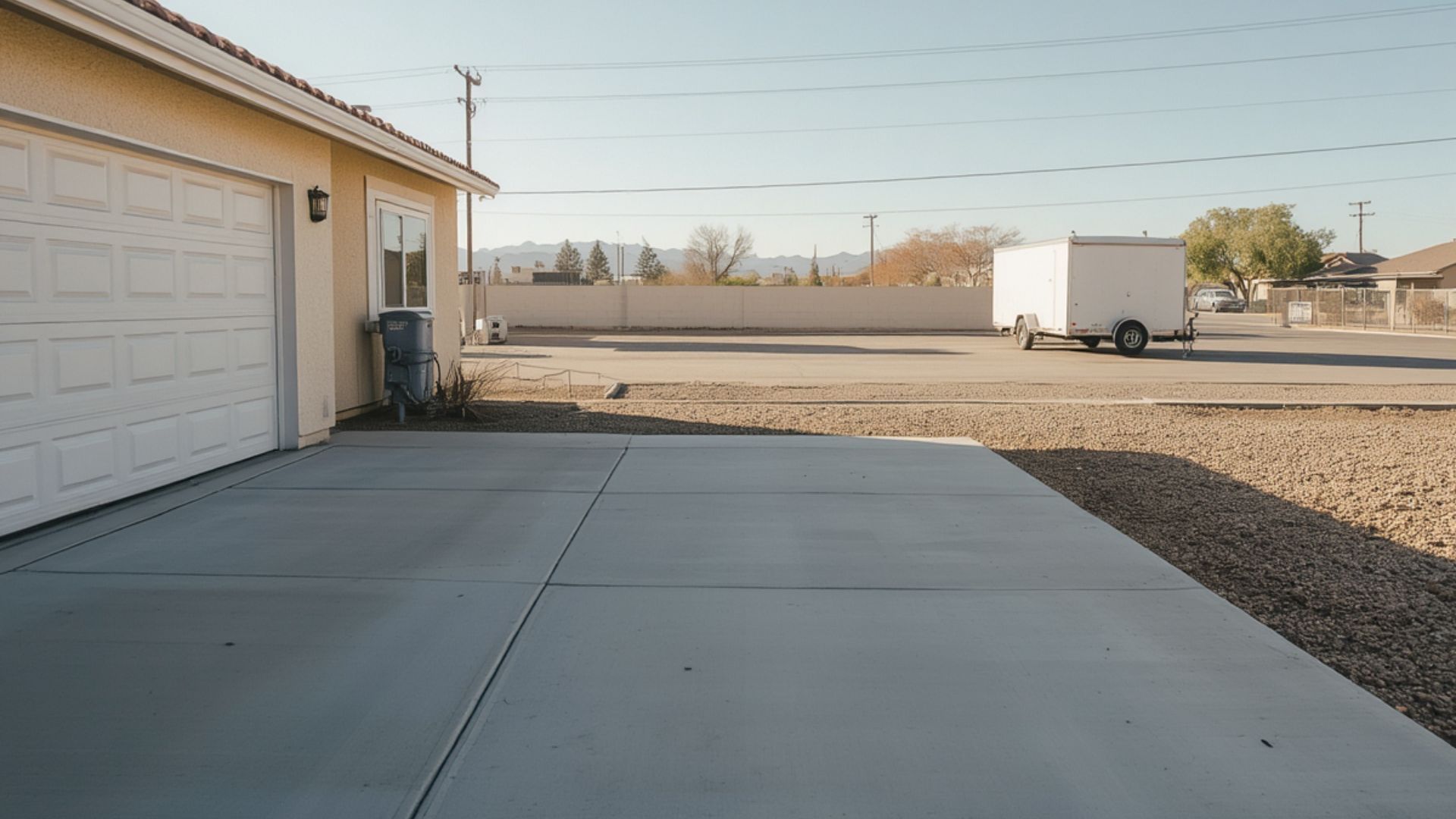
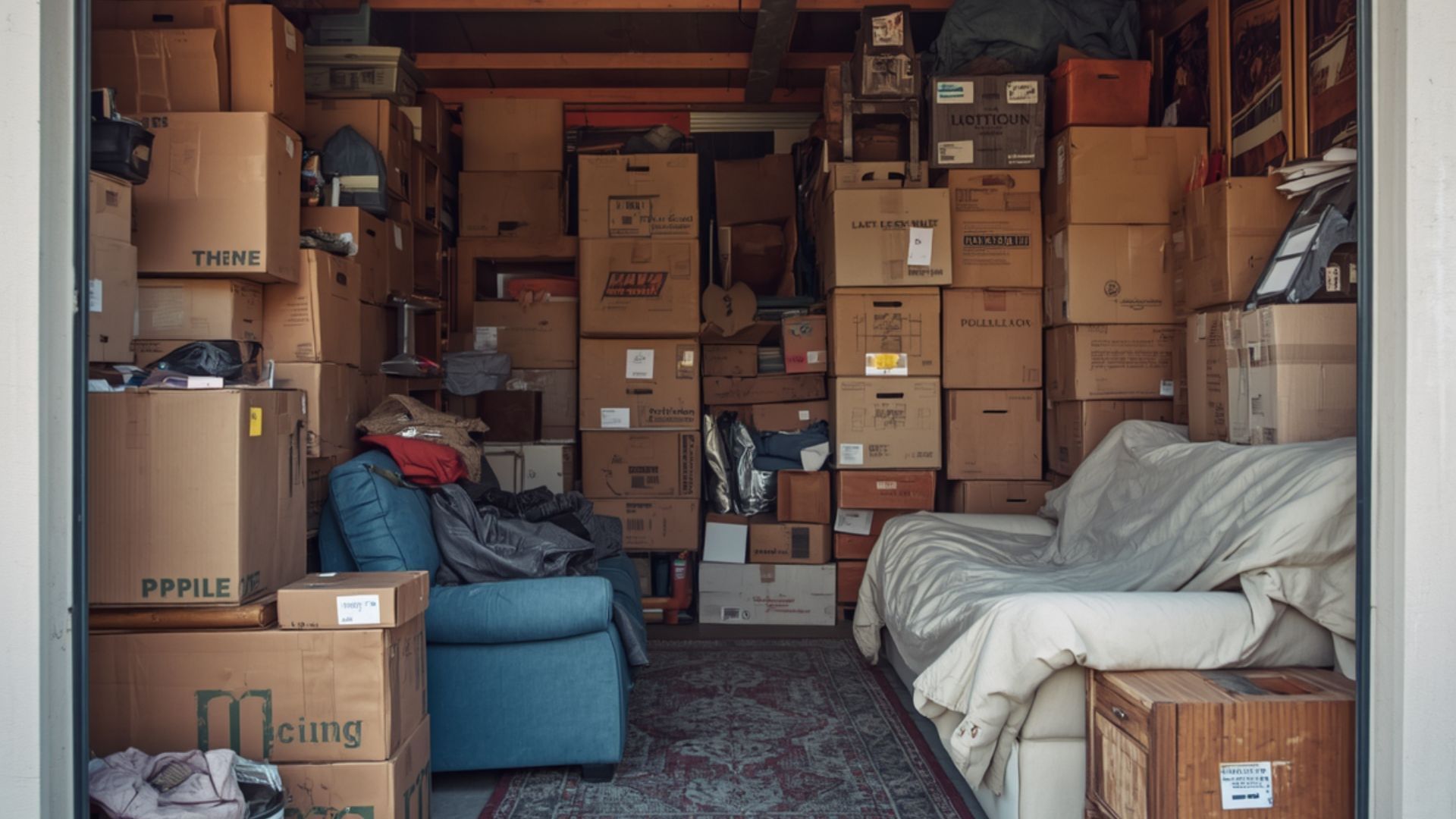
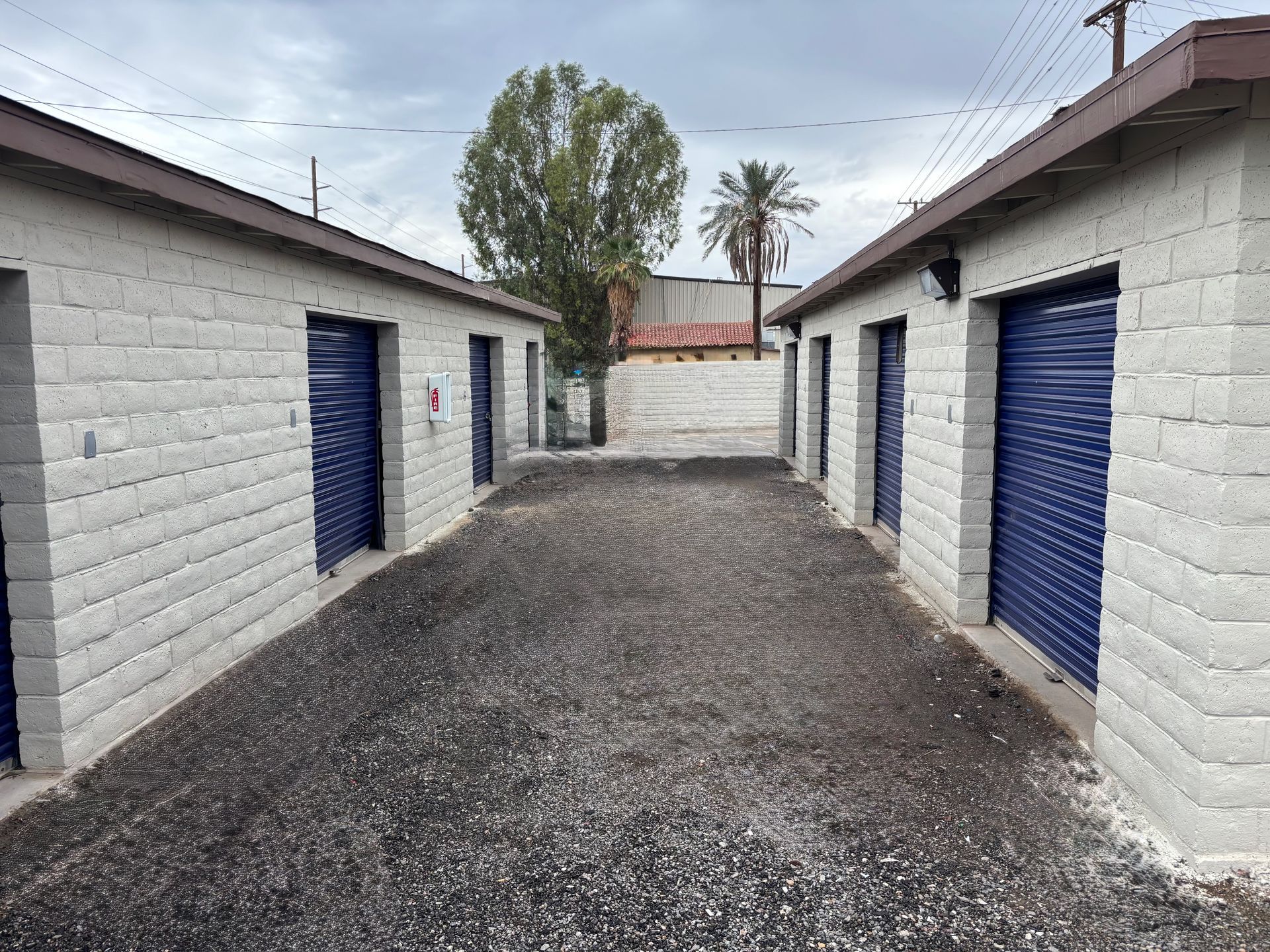
Even after sorting carefully, you may have belongings worth keeping that don't fit into your smaller home. A storage unit provides a separate place for these items without forcing you to overcrowd your living space. At Brawley Mini Storage, our property at 897 K Street offers drive-up storage units, so you can park directly in front of your space while loading or unloading furniture and moving boxes. We're located near Highway 86 and Main Street, which is useful when you're transporting household belongings around Brawley and the surrounding Imperial County area.
Our rentals are month-to-month, so you don't need to commit to a long-term contract while deciding what to do with your extra belongings. Regular gate access is available daily from 6:00 AM to 10:00 PM, giving you time to retrieve items as you settle into your new home.
Choose a Storage Unit Based on What You're Keeping
Before selecting a unit, make an inventory of everything you plan to store. Measure large furniture pieces and estimate how many boxes you'll need. Don't forget to account for items that cannot be stacked, such as certain appliances or delicate furniture. The right unit size depends on both the amount you're storing and how frequently you'll need access. If you're keeping furniture untouched for several months, you can arrange it more compactly. If you'll regularly retrieve household supplies, leave a walkway and keep frequently used boxes near the entrance.
Our facility offers different unit sizes for household storage, and you can transfer to another size based on availability if your needs change. It's worth checking the current options before moving day rather than estimating the space you'll need from memory.
Pack Your Belongings for Easy Access
Storage should be organized with the same care as your new home. Place heavier boxes at the bottom of each stack and lighter containers above them. Use descriptive labels instead of writing general categories such as "miscellaneous" on every box. Keep an inventory on your phone or in a spreadsheet so you can locate specific belongings without opening multiple containers. Furniture should be cleaned and properly wrapped before storage, while appliances need to be completely prepared according to their manufacturer's instructions.
If this is your first time renting a unit, our article on common storage rental mistakes and how to avoid them covers practical considerations such as selecting the right size, understanding access rules, and keeping belongings organized after move-in.
Make Your Smaller Home Work for Everyday Life
Once you've decided what to keep, think about how those belongings will function in your new space. Downsizing works best when frequently used items have designated places, and you aren't constantly rearranging furniture to reach something. Start with the rooms you use most. In the kitchen, keep everyday dishes and cookware within easy reach while placing occasional-use items in less accessible cabinets. In bedrooms, prioritize clothing storage and leave enough room around the bed to move comfortably.
Unused wall space can accommodate shelves or hooks where appropriate, but avoid adding organizers before you know what needs storing. Buying extra baskets, cabinets, and shelving units too early can recreate the clutter you're trying to eliminate.
Avoid Bringing Unnecessary Items Back Into Your Home
After downsizing, it's easy to gradually refill the available space. Before purchasing new furniture or household accessories, consider where each item will go and whether it replaces something you already own.
This is particularly important when moving from a larger house into a smaller property with limited storage. A useful rule is to reassess an existing item whenever you bring home something that serves the same purpose. You don't need to maintain a strict minimalist lifestyle, but keeping track of what you own prevents unnecessary accumulation.
Give Yourself Time to Adjust
Downsizing is rarely finished the day you move. You may discover that certain belongings are more useful than expected or that furniture you initially kept doesn't work with the new layout. Allow yourself time to make those adjustments before purchasing replacements. If you've stored items temporarily, review them after you've settled in. You might realize that you need a particular piece of furniture, or you may decide that something you thought was essential no longer has a place in your home.
For belongings that remain in storage, periodically consider whether their value or usefulness justifies the ongoing rental cost. This keeps temporary storage from becoming a permanent expense for items you no longer need.
A More Comfortable Home Starts With Better Decisions
Learning how to downsize your home is largely about making decisions before moving day. Measuring furniture, sorting household belongings, and identifying what you genuinely need will give you a clearer picture of your new space. The more you resolve before packing, the fewer unnecessary items you'll have to move.
For belongings you want to keep outside your new home, we offer flexible rental options at our K Street property. You can explore storage options from Brawley Mini Storage to compare available spaces and find one that fits the furniture, boxes, or household items you're keeping during the transition. The goal is to create a home that works for the way you live now, with enough room for the belongings you use and a sensible plan for everything else.