

Pressure Washer Storage: What to Do Before Putting It Away for Winter
A pressure washer is useful for cleaning driveways, patios, outdoor equipment, and other surfaces that collect dirt throughout the year. But once you're finished using it for the season, putting it away without preparing the pump, hoses, and engine can cause problems the next time you need it. Water left inside the equipment is particularly concerning because freezing temperatures can damage internal components.
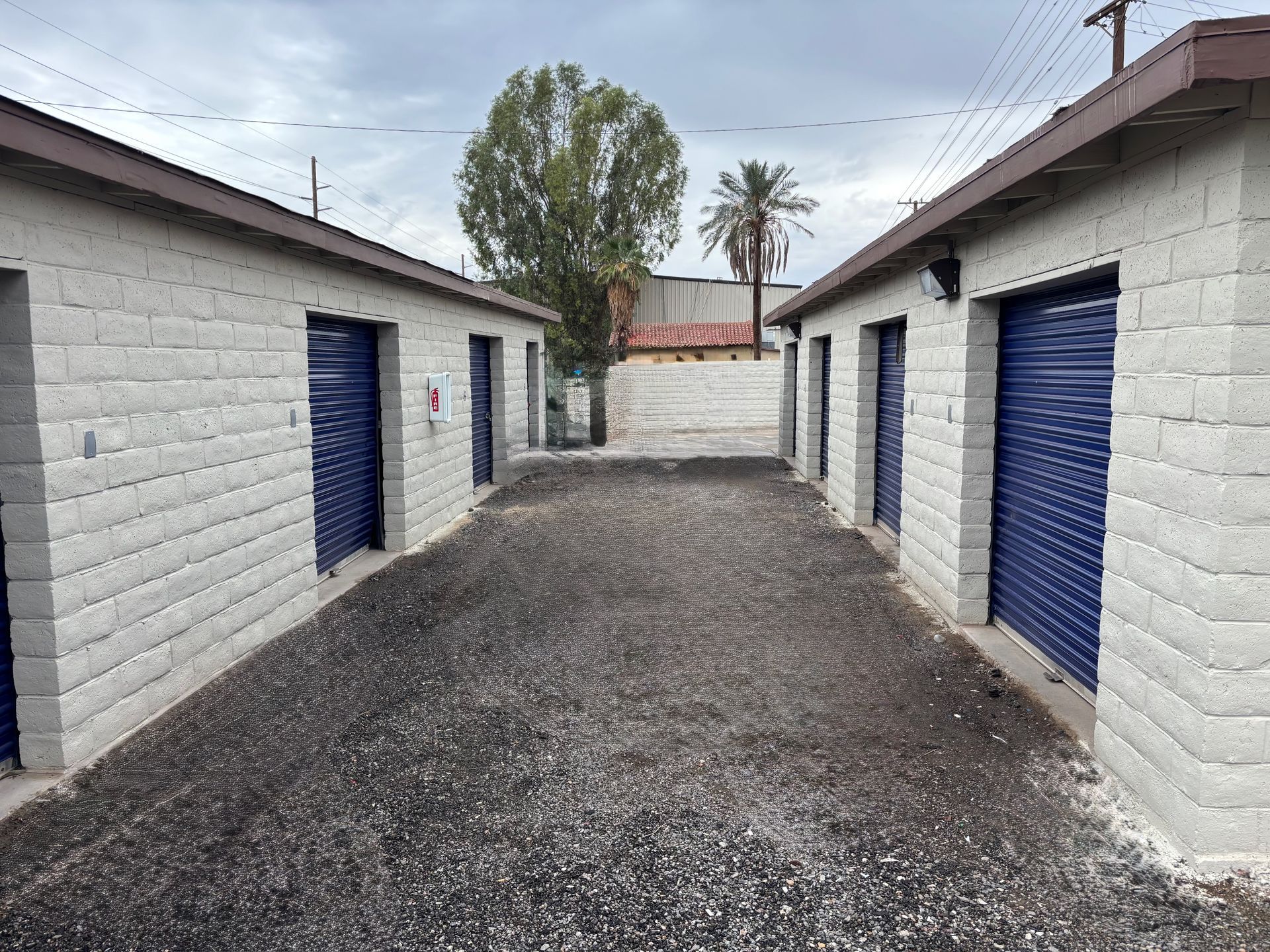
Knowing how to store a pressure washer for winter starts with identifying whether you have a gas or electric model. Both require careful draining and cleaning, but gas-powered machines have additional fuel and engine maintenance needs. If you're running out of room in your garage or equipment shed, our storage options in Brawley include drive-up units at 897 K Street, where you can keep properly prepared equipment out of your everyday workspace.
Why Pressure Washers Need Preparation Before Storage
A pressure washer uses a pump to move water through its hoses and spray nozzle at high pressure. When the machine is turned off, some water can remain inside the pump, hose connections, and spray assembly. Disconnecting the garden hose doesn't necessarily remove all that water, which is why manufacturers include draining procedures in their storage instructions.
If trapped water freezes, it expands and can damage the pump housing, seals, or other components. Even when freezing isn't a concern, leaving moisture and detergent residue inside equipment for an extended period isn't ideal. Proper storage also involves protecting the machine from dirt, accidental damage, and unnecessary exposure to moisture.
The manufacturer's instructions should always determine the exact procedure for your machine. Some models have specific requirements for pump protection, engine maintenance, or the removal of accessories. Those differences matter more than following a general winterization checklist without checking the equipment you're storing.
How to Prepare a Pressure Washer for Winter Storage
The following steps cover the main preparation tasks for most residential pressure washers. Before starting, consult the owner's manual for your model, especially when draining the pump or applying a protective solution.
1. Clean the Machine Before Disconnecting Everything
Start by removing dirt and residue from the pressure washer's exterior. Wipe down the frame, wheels, and accessible surfaces with a damp cloth, taking care around electrical connections and engine components. If you've been using detergent, follow the manufacturer's procedure for flushing the detergent system with clean water before shutting the machine down.
Cleaning is also a good opportunity to inspect the equipment. Look for cracked hoses, damaged connectors, leaking fittings, or loose hardware. If a hose has visible wear, make a note to replace it before the next use rather than storing it with the expectation that the problem will disappear.
Once cleaning is complete, shut off the machine and water supply. Allow a gas-powered engine to cool before handling nearby components or covering the equipment.
2. Release Pressure and Disconnect the Hoses
After shutting down the pressure washer, point the spray gun in a safe direction and squeeze the trigger to release any trapped pressure. Follow the manufacturer's shutdown procedure, including engaging the trigger lock where applicable. For electric models, disconnect the power supply before beginning maintenance.
Remove the garden hose and high-pressure hose according to the equipment's instructions. Drain the hoses thoroughly, then disconnect the spray gun and wand if your model allows it. Water can collect in these accessories even after the main machine has been emptied. Keep the hose ends clean and allow the exterior surfaces to dry. Avoid tightly bending or kinking the high-pressure hose when coiling it, since damage to its reinforcement or fittings can affect safe operation.
3. Remove Water From the Pump
The pump is one of the most important components to protect during winter storage. Unlike an ordinary garden hose, it contains internal passages and parts that aren't always easy to drain by simply disconnecting the water supply. Some gas-powered pressure washers require the recoil starter to be pulled with the engine switched off to help remove residual water. Other models have different draining instructions, so don't assume the same procedure works for every machine.
4. Protect the Pump With an Approved Winterizing Product
Draining the pump is important, but some manufacturers also recommend applying a pump-protection solution before storing the machine. These products are designed to protect internal pump components during periods of inactivity, and certain formulations provide protection against freezing.
A pump protector is usually introduced through the water inlet, but the application procedure varies by machine. Some gas-powered models use the recoil starter to draw the solution through the pump, while certain electric models require a different process. Use only a product approved for your pressure washer and follow the instructions for both the machine and the solution. Don't substitute ordinary automotive antifreeze or an unfamiliar chemical without checking the manufacturer's recommendations. Pump materials and approved winterizing procedures differ, and using the wrong product can damage equipment.
Storing Gas and Electric Pressure Washers
Although both types require pump maintenance, their power systems introduce different storage considerations.
Gas-Powered Pressure Washers
Gas pressure washers need additional attention because gasoline can deteriorate during extended periods of inactivity. Fuel left untreated can contribute to deposits in the fuel system, potentially making the engine difficult to start when the equipment is needed again. Depending on the engine manufacturer's instructions, long-term preparation may involve adding an approved fuel stabilizer to fresh gasoline or draining the fuel system. If a stabilizer is recommended, the engine may need to run briefly to distribute the treated fuel before shutdown.
Check the engine oil and maintenance schedule as well. An oil change may be due before storage, particularly if the machine has accumulated substantial operating hours. Follow the engine manual rather than assuming every pressure washer uses the same maintenance interval. If you plan to place a gas-powered pressure washer in a storage unit, confirm the property's rules concerning gasoline and fuel-powered equipment first. Don't assume that gasoline can remain in the tank during storage. If fuel must be removed, use an approved procedure and handle it according to applicable safety and disposal requirements.
Electric Pressure Washers
Electric pressure washers don't require fuel stabilization or engine oil changes, but they still need proper pump protection. Residual water can remain inside the machine, and electrical components should be kept dry during storage. After unplugging the equipment, drain the hoses and accessories according to the manual. Inspect the power cord for cuts, damaged insulation, or exposed wiring. A damaged cord should be repaired or replaced through the appropriate service process before the machine is used again.
Coil the power cord loosely and secure it without placing unnecessary strain on the connection to the machine. If your pressure washer has a hose reel or built-in accessory holders, use them according to the manufacturer's instructions to keep the equipment organized. For battery-powered models, follow the battery manufacturer's separate storage and charging instructions. Batteries may have temperature and charge-level requirements that differ from those of the pressure washer itself.
Where Should You Store a Pressure Washer?
Once the equipment is clean, drained, and prepared for inactivity, the next decision is where to keep it. A garage or enclosed equipment area is usually preferable to leaving a pressure washer outdoors, where it can be exposed to moisture and accidental damage. Choose a dry location with enough space to keep the machine upright and its accessories organized. Avoid placing heavy objects on the hoses or spray wand, and don't use the pressure washer as a surface for stacking boxes. If you cover the machine, use a suitable cover that won't trap moisture against its surfaces.
For longer storage periods, keep the owner's manual and any removable nozzles or fittings together. A small labeled container for accessories prevents them from becoming separated from the machine.
Using a Storage Unit for Pressure Washing Equipment
A storage unit is worth considering when your garage needs to accommodate a vehicle or when outdoor maintenance equipment is taking up too much room at home. Pressure washers, once properly prepared and permitted under the rental agreement, can be stored alongside compatible tools and equipment.
At our Brawley facility, every unit has drive-up access, so you can pull your vehicle directly in front of the space when loading or retrieving equipment. We're located on K Street, with access from Highway 86 and Main Street. Our standard gate hours are 6:00 AM to 10:00 PM every day, which gives renters a defined window for picking up equipment before a project.
We also offer month-to-month rentals, so you don't have to commit to a long lease if you're storing equipment between projects. Before bringing a gas-powered pressure washer onto the property, check with us about equipment preparation and fuel restrictions. Our storage rules prohibit flammable materials, and we don't advertise climate-controlled units, so the space shouldn't be assumed to provide freeze protection.
Organizing Your Pressure Washer and Other Equipment in Storage
A pressure washer is easier to retrieve when the hose, wand, and accessories have a designated place. Keep the machine upright on a stable surface, with enough clearance to move it without catching the spray gun or hose on nearby belongings. If you're storing additional cleaning equipment, place smaller accessories in labeled containers rather than leaving them scattered on the floor. Avoid storing detergent or chemical containers without first confirming they're permitted under the facility's rules.
It's also useful to leave a clear path to equipment you'll need before everything else comes out of storage. Our guide to common first-time storage rental mistakes explains how choosing an appropriate unit size and organizing belongings around access needs can prevent problems later.
For households putting away several appliances or cleaning machines, remember that each piece of equipment has its own preparation requirements. Our article on preparing a washing machine for storage covers the additional draining and transport precautions needed for that appliance.
What to Check Before Using Your Pressure Washer Again
When you're ready to bring the pressure washer out of storage, inspect it before connecting the water supply or starting the motor. Look for damaged hoses, loose fittings, leaks, and signs of deterioration around the pump or electrical connections. If you used a pump-protection solution, follow the manufacturer's instructions for flushing or preparing the system before normal operation. For gas-powered equipment, check the engine oil, fuel condition, and any maintenance items identified in the owner's manual.
Reconnect the hoses and water supply according to the manufacturer's directions. Never run a pressure washer pump dry unless the specific procedure in your manual explicitly requires it. Once the equipment is properly connected, check for leaks and confirm that the machine operates normally before beginning a cleaning project. If you notice unusual noises, persistent leaks, or inconsistent pressure, stop using the machine and investigate the problem. Storage preparation reduces certain risks, but it doesn't replace routine inspection and maintenance.
Keep Your Pressure Washer Ready for Its Next Job
The most important part of storing a pressure washer is completing the maintenance before putting it away. Emptying the water system, protecting the pump when required, and preparing the engine or electrical components according to the owner's manual will leave the equipment in better condition for its next use.
If the machine will be stored for several months, keep a record of when it was last serviced and what winterization products were applied. That information will be useful when it's time to reconnect the equipment, particularly if the manufacturer requires the pump to be flushed before use.
For those who need extra room for properly prepared tools and seasonal equipment, our storage options from Brawley Self Storage include drive-up units with month-to-month rental terms. Our team can clarify current availability and equipment restrictions before you decide where to keep your pressure washer.